
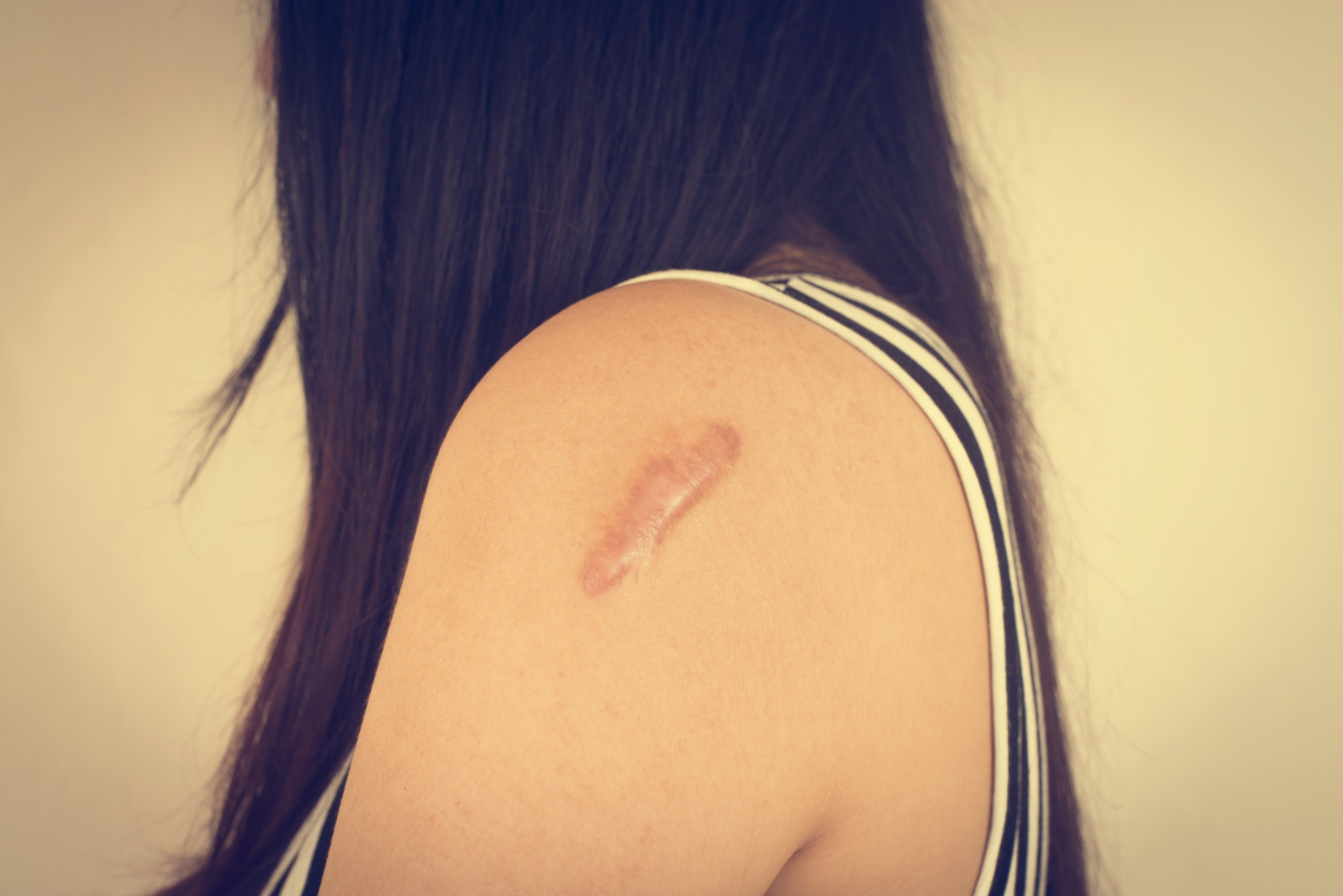
Scars can affect how you look and feel. For many people, scar revision surgery offers hope. This procedure helps improve the appearance of scars. It can also restore movement in areas where scars limit motion. In this blog, you will learn about scar revision surgery, types of scar revision, how scar revision works, recovery after scar revision surgery, and the risks of scar revision. Let’s explore how this treatment can help you feel more confident.
What is Scar Revision Surgery?
Scar revision surgery is a medical procedure. Its goal is to make scars less noticeable. Sometimes, it can also improve how the skin moves. Doctors use different methods to treat scars. The best method depends on the scar’s size, shape, and location. While scars cannot be removed completely, their appearance can often be improved. This surgery is done by trained doctors, often plastic surgeons.
Types of Scars Treated
Not all scars are the same. Each type may need a different approach. Here are common scar types treated with scar revision:
Who is a Candidate for Scar Revision Surgery?
Not everyone needs scar revision surgery. However, you may be a good candidate if:
Before surgery, your doctor will review your medical history. They will also discuss your goals and explain what is possible.
The Scar Revision Procedure
Scar revision surgery uses several methods. The choice depends on the scar type and location. Here is how scar revision works:
Usually, the procedure is done in a clinic or hospital. Local or general anesthesia may be used. After the surgery, you may go home the same day.
Benefits and Risks
Scar revision surgery offers many benefits. But, like any procedure, it also has risks.
Benefits
Risks
Most risks are rare. However, it is important to follow your doctor’s advice to lower these risks.
Recovery and Aftercare
Recovery after scar revision surgery depends on the method used. Usually, healing takes a few weeks. Here is what you can expect:
Most people return to normal activities within a week. However, full results may take several months as the scar fades and softens.
Prevention and Lifestyle Tips
While not all scars can be prevented, you can lower your risk. Try these tips:
Frequently Asked Questions
When to Consult a Specialist
If your scar causes pain, limits movement, or affects your confidence, it may be time to see a specialist. Board-certified plastic surgeons can assess your scar and suggest the best treatment. Early consultation can help you understand your options and set realistic goals.
Conclusion
Scar revision surgery can improve the look and feel of scars. It offers hope for those who feel self-conscious or uncomfortable. However, every scar is unique. For the best advice, consult Dr. S V Kinnera Reddy. They can guide you through your options and help you achieve the best results for your skin.