
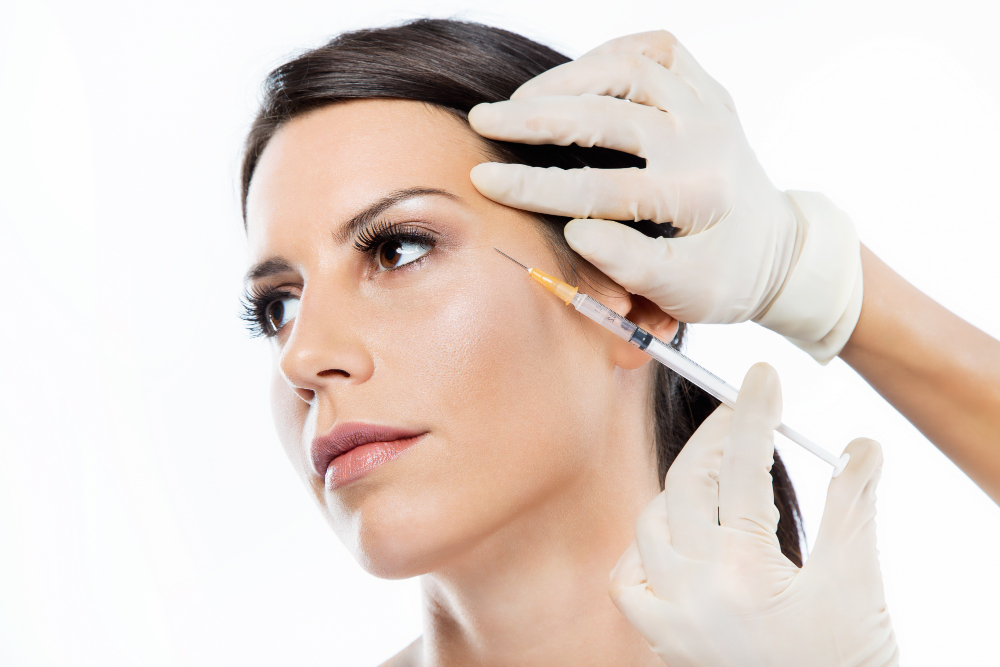
What Are Dermal Fillers?
Dermal fillers are soft, gel-like substances injected under the skin. They help add volume, smooth lines, and enhance facial features. Many people choose dermal fillers for non-surgical facial rejuvenation. These fillers can treat wrinkles, thin lips, and hollow cheeks. Most fillers use hyaluronic acid, a substance found naturally in the body. Because of this, they are usually safe when used by trained professionals. The effects are not permanent, but they can last several months to over a year.
Common Uses and Benefits of Dermal Fillers
Dermal fillers offer many benefits for those seeking a refreshed look without surgery. For example, they can:
Additionally, the results are often quick and natural-looking. Most people notice changes right after the procedure. Because the process is non-surgical, there is little downtime. Many people return to daily activities soon after treatment. If you want to know how long dermal fillers last, most last from 6 to 18 months, depending on the type and area treated.
The Procedure: What to Expect
Before the procedure, your provider will discuss your goals and check your health. Next, they will clean the area and may apply a numbing cream. Then, the dermal filler is injected with a fine needle. You might feel a small pinch or pressure, but it is usually quick. The whole process often takes less than an hour. Afterward, you can see the results almost right away. However, mild swelling or redness may occur, but this usually fades within a few days.
Potential Risks and Side Effects
While dermal fillers are generally safe, there are some risks. For instance, you may notice:
Rarely, more serious problems can happen, such as infection, allergic reaction, or blocked blood vessels. Choosing a qualified provider helps lower these risks. According to the U.S. Food and Drug Administration (FDA), most side effects are mild and go away on their own.
Aftercare Tips and Recovery
Proper aftercare can help you heal faster and get the best results. Here are some tips:
Most people can return to normal activities right away. However, if you notice severe pain, spreading redness, or signs of infection, contact your provider quickly.
Prevention of Complications and Safety Advice
To stay safe, always choose a licensed and experienced provider. Ask about their training and see before-and-after photos of their work. In addition, make sure the clinic uses approved, safe dermal fillers. Never get fillers from unlicensed sources or at home. Before your treatment, tell your provider about any allergies or health problems. This helps prevent unwanted reactions. Finally, follow all aftercare advice to lower your risk of problems.
Conclusion
Dermal fillers are a non-surgical option to enhance your appearance and achieve a refreshed look with minimal downtime. They provide quick results, but it’s important to understand the potential risks and follow proper aftercare for the best outcome.
For personalized advice and to ensure the best results, consult Dr. S V Kinnera Reddy, a qualified plastic surgeon, who can guide you through the process of dermal fillers safely.