Introduction: What Is a Tummy Tuck?
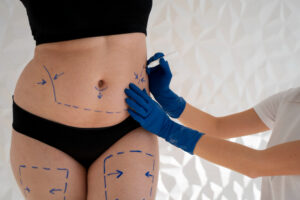
A tummy tuck (abdominoplasty) is a type of plastic surgery. It removes extra skin and fat from the belly area. It also tightens weak or separated muscles. Many people choose this surgery to improve their body shape. Often, it helps restore confidence after weight loss or pregnancy. The main goal is to create a flatter, firmer stomach. According to the American Society of Plastic Surgeons, tummy tucks are among the most popular cosmetic procedures.
Symptoms and Concerns Addressed
Many people consider a tummy tuck for several reasons. For example, you may notice loose or sagging skin on your stomach. Sometimes, the muscles in your belly feel weak or separated. This can happen after pregnancy or major weight loss. In addition, stretch marks or scars may bother you. A tummy tuck can address these concerns and help you feel more comfortable in your body.
Causes of Excess Abdominal Skin or Weak Muscles
Several factors can lead to extra skin or weak muscles in the belly. For instance, pregnancy stretches the skin and muscles. After giving birth, the body may not return to its original shape. Likewise, losing a lot of weight quickly can leave behind loose skin. Aging also plays a role, as skin loses its firmness over time. Genetics can make some people more likely to have these issues.
Diagnosis and Candidacy: Who Is a Good Candidate?
Not everyone is a good candidate for a tummy tuck. First, a board-certified plastic surgeon will review your health history. They will check your skin, muscles, and overall health. You should be at a stable weight and in good health. If you smoke, you may need to quit before surgery. Women who plan future pregnancies may want to wait. The surgeon will also discuss your goals and expectations. This helps ensure the procedure is right for you.
Treatment: The Tummy Tuck Procedure and Types
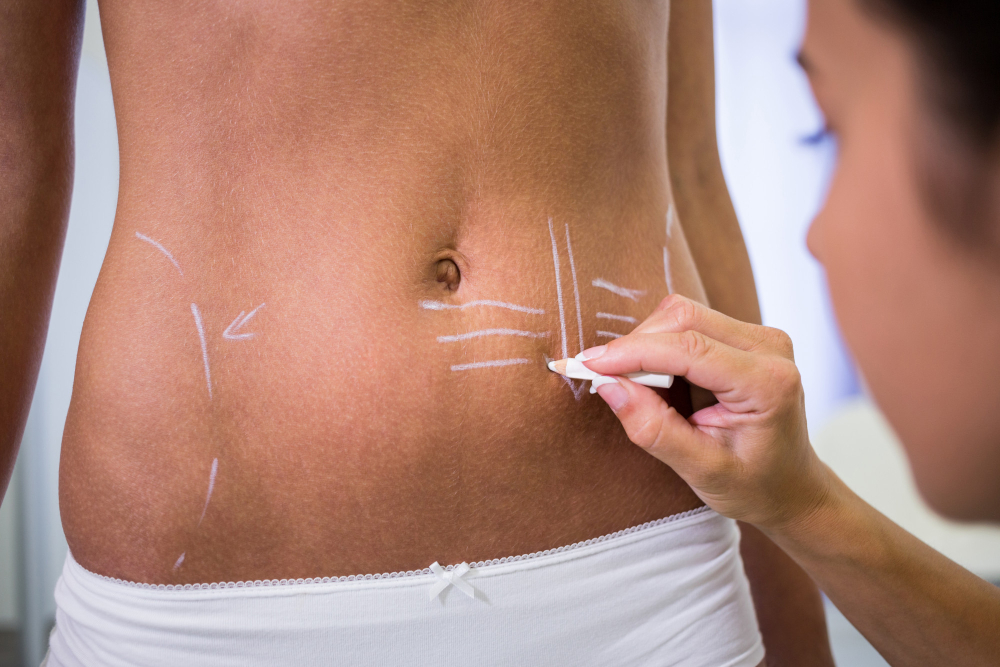
During a tummy tuck, the surgeon removes extra skin and fat from the lower belly. Next, they tighten the muscles if needed. The procedure is done under general anesthesia. There are different types of tummy tucks. Your surgeon will help you choose the best one for your needs.
Most procedures take two to three hours. You may go home the same day or stay overnight, depending on your health and the type of surgery.
Recovery and Aftercare
After surgery, you will need time to heal. Most people need about two to four weeks off work. During this time, you should avoid heavy lifting and strenuous activity. Your surgeon will give you instructions on caring for your incision and managing pain. Wearing a special support garment helps reduce swelling. Follow-up visits are important to check your progress. Although some swelling and bruising are normal, these will improve over time. You can usually return to light activities after a few weeks.
Risks and Complications
Like any surgery, a tummy tuck has risks. However, choosing a skilled, board-certified surgeon lowers these risks. It is important to know what to watch for and how to manage problems if they arise.
If you notice severe pain, swelling, or fever, contact your doctor right away. Most complications can be managed with prompt care.
Benefits: Physical and Emotional Improvements
A tummy tuck offers many benefits. First, it creates a flatter, firmer stomach. Clothes may fit better, and you may feel more comfortable in your body. Many people report higher self-esteem and confidence after surgery. In some cases, tightening the muscles can improve posture and reduce back pain. The emotional boost can be just as important as the physical changes. According to studies, most patients are satisfied with their results and feel more confident in daily life.
Prevention and Lifestyle: Maintaining Results
To keep your tummy tuck results, healthy habits are key. Eating a balanced diet and staying active help prevent weight gain. Avoid smoking, as it can affect skin health and healing. Regular exercise keeps your muscles strong and your body in shape. Although results are long-lasting, big changes in weight or pregnancy can affect your outcome. Therefore, it is best to maintain a stable weight and healthy lifestyle.
Frequently Asked Questions
Conclusion
A tummy tuck (abdominoplasty) can reshape your body and restore your confidence. It is important to understand the procedure, risks, and benefits. Always choose a qualified, board-certified plastic surgeon. For personalized advice, consult a board-certified plastic surgeon at Dr. S V Kinnera Reddy about tummy tuck (abdominoplasty) options that are right for you.